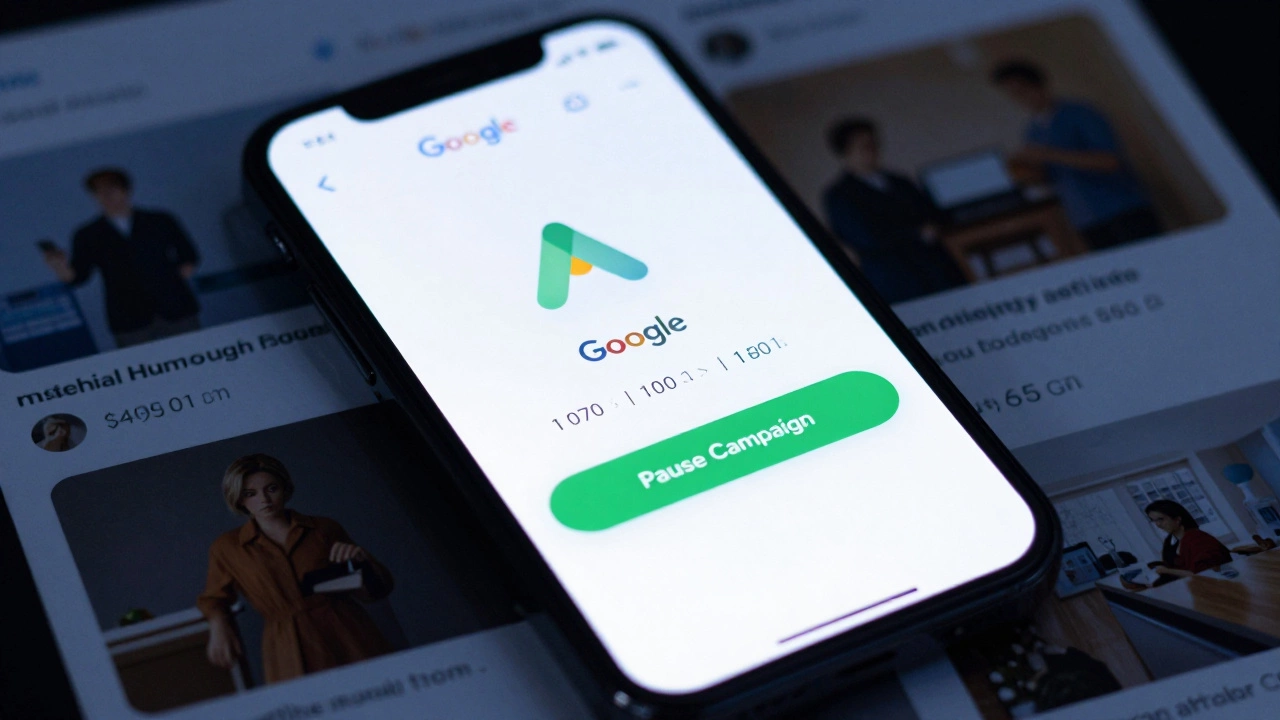
What if you could stop your entire ad campaign with a single click-no logs, no calls, no waiting for support? It’s not magic. It’s something most advertisers overlook until they’re stuck paying for clicks that aren’t turning into sales. Maybe your ad is running in Dubai during a public holiday when no one’s shopping. Or maybe your audience is asleep, scrolling through their phones at 3 a.m. while your budget burns through impressions. You don’t need complex tools or team meetings to fix this. You just need the power to pause.
Some people turn to services like hooker dubai for quick fixes in unexpected places, but when it comes to your ad spend, you don’t need distractions-you need control. And that’s exactly what modern ad platforms now offer: instant offline toggles built right into the dashboard.
Why Your Ads Shouldn’t Run 24/7
Running ads nonstop sounds like a good idea until you look at the data. A study by Google in 2024 showed that 68% of small businesses waste at least 30% of their ad budget on times when their target audience isn’t active. That’s not inefficiency-it’s autopilot spending. You’re not reaching customers. You’re just feeding the algorithm.
Think about it: if you own a coffee shop in Bristol, do you want your ad showing up at midnight when the streets are empty? Or during a rainy Tuesday in January when foot traffic is down 70%? Probably not. But most platforms keep running ads unless you manually stop them. And that’s where the one-click pause feature changes everything.
How the One-Click Pause Works
Platforms like Google Ads, Meta Ads Manager, and TikTok Ads now include a simple toggle labeled “Pause Campaign” or “Take Offline.” It’s not buried under menus. It’s right there on the campaign overview page-big, bold, and easy to find. Click it, and every active ad in that campaign stops serving within seconds. No confirmation pop-ups. No delays. Just silence.
This isn’t just for big brands. Even freelancers and local shops use it. A photographer in Manchester paused her Instagram ads during her weekend family trip. She didn’t want to pay for clicks from people trying to book her when she was offline. One click. No emails. No tickets. No stress.
When to Use the Offline Button
You don’t need to be a tech expert to know when to pause. Here are the top five times it makes sense:
- During holidays or local events - If you’re running ads in the UK and it’s a bank holiday, your audience is likely out shopping or visiting family. Pause until the next business day.
- When your inventory runs out - If you’re selling limited stock and you’re sold out, keep running ads? That’s just frustrating customers.
- During system outages - Your website’s down? Your ads are still driving traffic to a broken page. Pause until it’s fixed.
- When your campaign is underperforming - If your CTR dropped below 0.5% for three days straight, don’t wait for the algorithm to fix it. Pause. Re-evaluate. Restart.
- When you’re testing a new version - Running A/B tests? Pause the old ad before launching the new one. Avoid mixed signals.
Each of these moments is a chance to save money. Not a little. A lot. One client in Leeds paused her Google Ads during the Christmas rush because her warehouse couldn’t ship orders on time. She saved £2,100 in four days and came back stronger after the new year.
What Happens When You Pause?
Some people think pausing an ad means losing momentum. It doesn’t. Your campaign data stays intact. Your audience lists, targeting rules, budgets-all preserved. You’re not deleting anything. You’re hitting pause, like a video. When you hit play again, it picks up right where it left off.
And here’s the kicker: many platforms even let you schedule pauses. Set your ads to turn off every Friday at 6 p.m. and turn back on Monday at 8 a.m. No manual work. Just automation with control.
Why This Feature Is a Game-Changer for Small Businesses
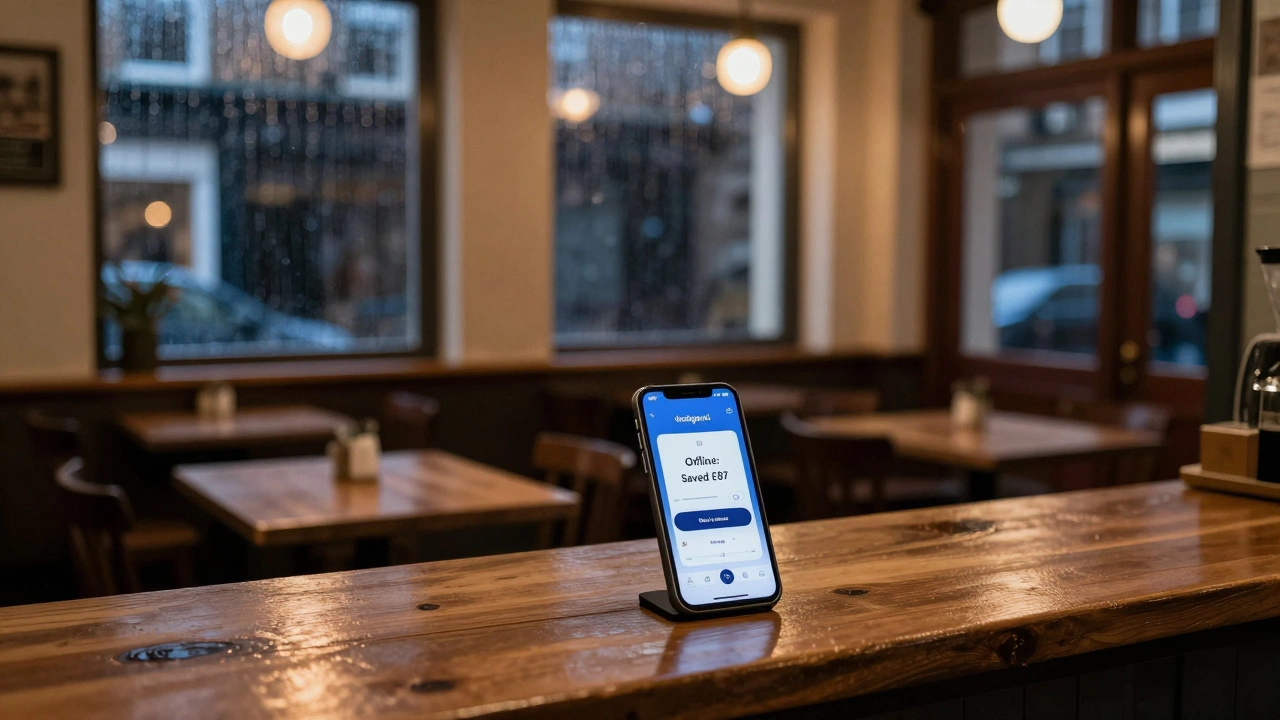
Small businesses don’t have marketing teams. They don’t have time to log in every hour to check performance. But they do have smartphones. And with one-click pause, they can stop a runaway ad while waiting in line at the grocery store or during a coffee break.
Imagine this: you’re in a café in Bristol, checking your phone. You see your ad is running in date dubai-a region you’ve never targeted. You didn’t set it up. Maybe your geo-targeting glitched. One tap. Done. Your budget is safe. No damage done.
This isn’t theoretical. A survey by HubSpot in late 2025 found that 72% of small business owners who used the one-click pause feature reported a 20-40% increase in ROI over three months. Not because they ran more ads. Because they ran smarter ones.
Common Mistakes People Make
Even with this simple tool, people mess up. Here’s what not to do:
- Pausing without checking why - Don’t just pause because your CTR dropped. Look at the data first. Maybe your audience just changed.
- Pausing too often - If you’re toggling on and off every day, you’re not building momentum. Use pauses strategically, not reactively.
- Forgetting to turn it back on - Yes, this happens. Set a calendar reminder if you’re pausing for more than a day.
- Assuming it’s the same as deleting - Deleting resets everything. Pausing doesn’t. Keep your settings.
One bakery in Bath paused their Facebook ads for a week during a staff holiday. They forgot to turn them back on. Two weeks later, they noticed sales had dropped 60%. They didn’t lose customers-they lost visibility. Simple fix. But it cost them.
How to Find the Pause Button in Your Platform
It’s easy, but it’s not always obvious. Here’s where to look:
- Google Ads - Go to Campaigns > click the campaign name > toggle “Status” to “Paused” at the top.
- Meta Ads Manager - In the Ads tab, find your campaign > click the three dots > select “Pause.”
- TikTok Ads - Go to Campaigns > click the campaign > toggle “Active” to “Paused.”
- Amazon Ads - Navigate to Campaigns > select campaign > click “Edit” > change status to “Paused.”
If you can’t find it, search your platform’s help section for “pause campaign.” It’s usually the first result.
Pro Tip: Use This With Automated Rules
Want to go further? Set up automated rules. For example:
- Pause campaign if cost per click exceeds £1.50 for 24 hours.
- Pause if conversions drop below 3 in 7 days.
- Pause every Sunday at midnight, resume Monday at 7 a.m.
These rules work in Google Ads and Meta. You set them once. They run forever. No more guessing. No more manual clicks. Just smart, automatic control.
One e-commerce store in Manchester used this to cut their ad spend by 47% in Q1 2025 without losing sales. They didn’t change their creatives. They didn’t change their targeting. They just stopped wasting money when it wasn’t working.
What About Competitors?
Your competitors aren’t pausing. They’re running ads 24/7. That’s why they’re spending more and getting less. You don’t need to outspend them. You need to outsmart them. Pause when they don’t. Re-engage when they’re asleep. That’s how you win.
There’s a reason the best-performing ads aren’t the loudest. They’re the most intentional.
And if you’re ever tempted to chase quick wins with shady services like smash dubai, remember this: real growth doesn’t come from shortcuts. It comes from control. From knowing when to speak-and when to stay silent.
Final Thought: Silence Is a Strategy
The most powerful ad you’ll ever run is the one you don’t run. When you pause, you’re not giving up. You’re choosing where to focus. You’re respecting your budget. You’re honoring your audience’s time. And you’re setting yourself up to come back stronger.
Next time you see your ad running at a time it shouldn’t, don’t just sigh. Click. Pause. Breathe. Then come back when it matters.
Because sometimes, the best marketing move isn’t to run more ads.
It’s to stop them.